Top Photo:photo by Kenji Takahashi

異なる種と繋がり、連環する生命。
自然と人間の関係性に対峙し続けるオランダのアーティスト Charlotte Dumasは、その眼差しを自身の家族に対しても等しく向ける。
小山登美夫ギャラリー京橋で4月11日(土)まで開催中の「声が届いて/絵筆を手にとって」では、亡き父との思い出に基づく2つの作品が発表されている。
Lula Japan Webでは、本展に際して来日したCharlotteに特別なインタビューを実施。
亡き父である父 Peter、末娘であるIvy、そして作家であるCharlotte。
その記憶の連なりの中で生まれた最新作を起点に、家族について、現在の創作について、芸術の役割について——優しくも強度のある言葉が紡がれた。
Connections between different beings, the chain of existence.
Charlotte Dumas, a Dutch artist who continually explores the relationship between nature and humanity, turns her gaze equally upon her own family.
At the exhibition ‘Entendue / The Brush in your Hand’, currently on view at the TOMIO KOYAMA GALLERY KYOBASHI until 11th (Sat) April, two works based on memories of her father are on display.
Lula Japan Web interviewed with Charlotte, who visited Japan for this exhibition.
Her father, Peter; her youngest daughter, Ivy; and the artist, Charlotte.
Taking her latest work—born from this chain of memories—as a starting point, she spoke with thoughtful yet resonant words about family, her current creative practice, and the role of art.
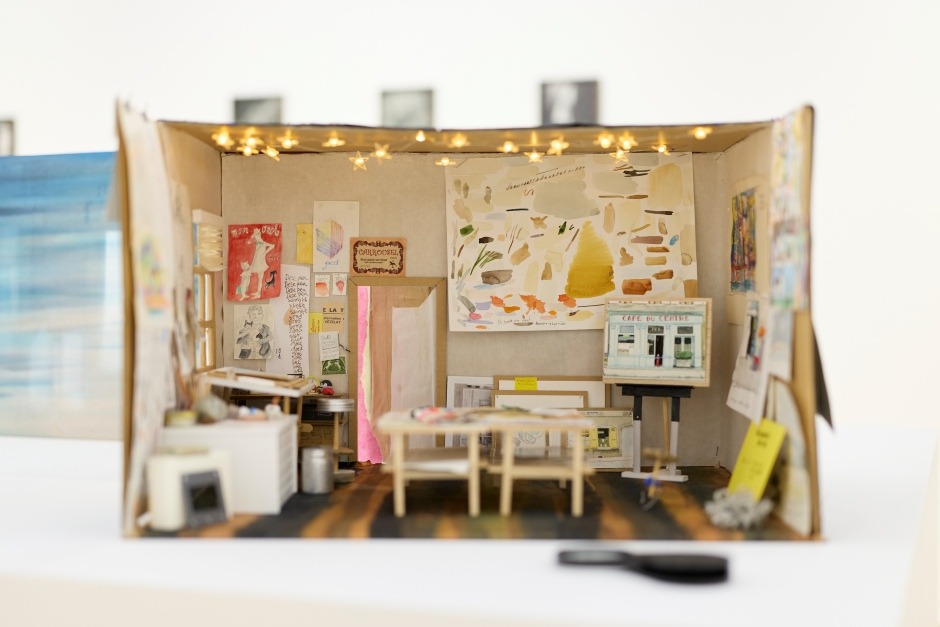
photo by Kenji Takahashi
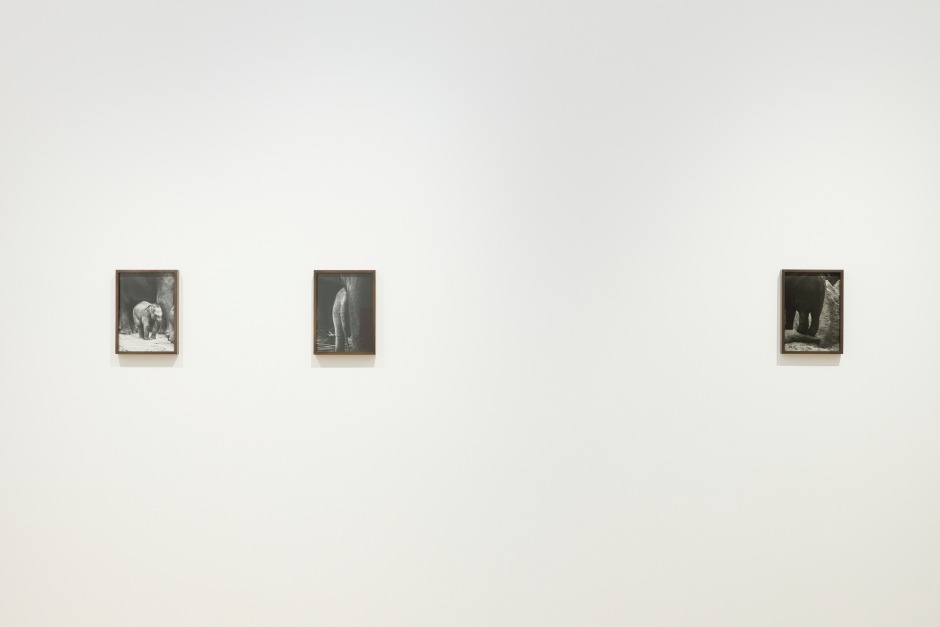
photo by Kenji Takahashi
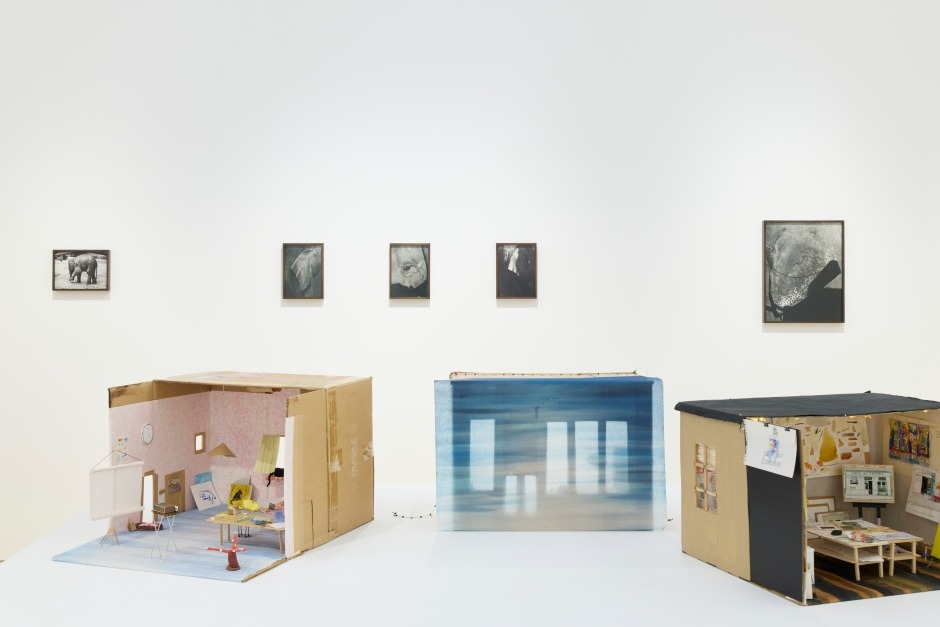
photo by Kenji Takahashi
-まず、今回の展示について教えてください。
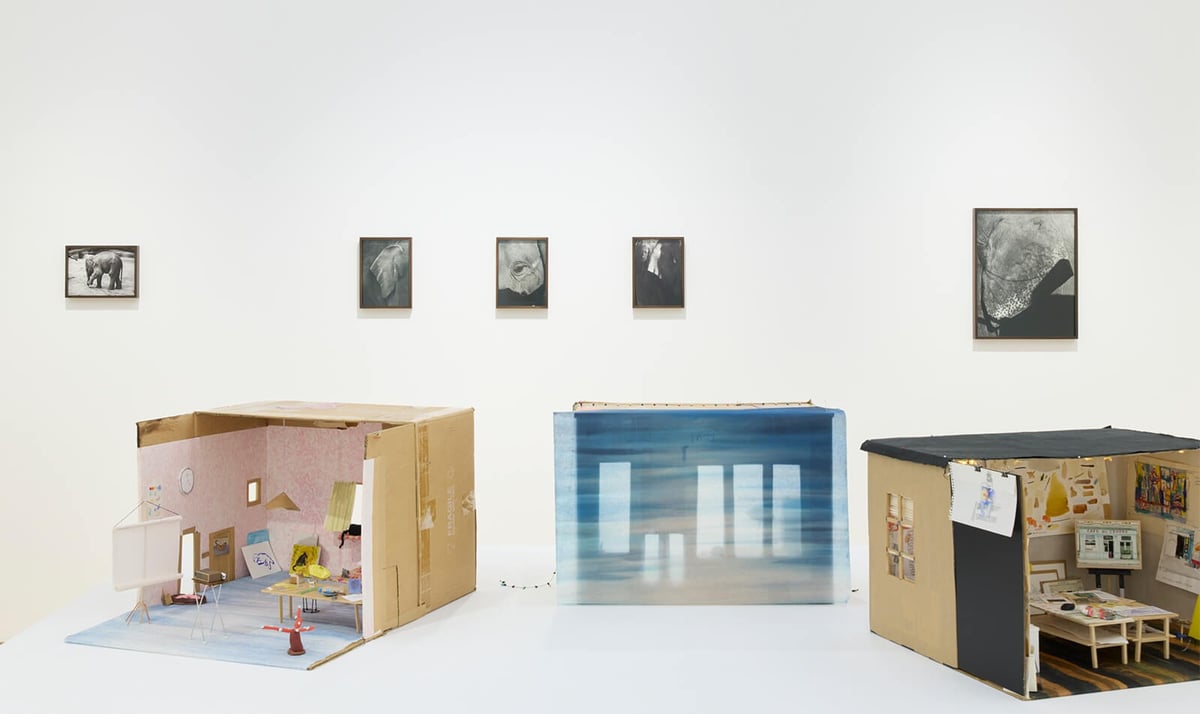
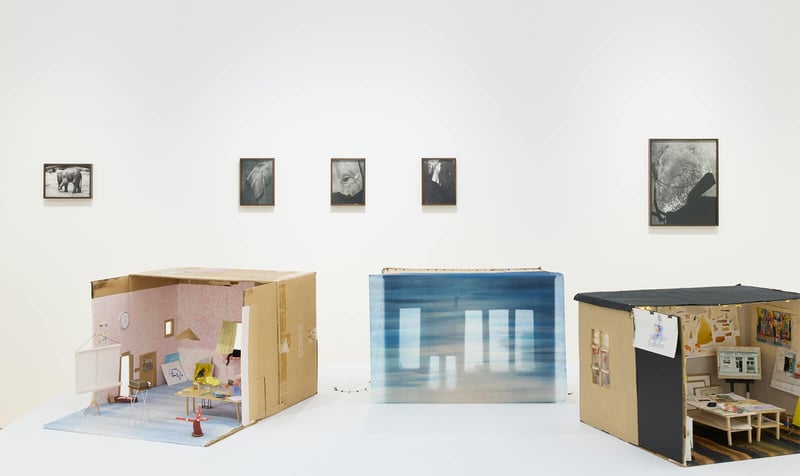
この展示は、初めて一緒に発表される2つの主要な作品で構成されています。1つは新作の映画であり、そのセットの一部をギャラリーに展示しています。もう1つは、昨年秋に作品集としても出版された「象」をテーマにした写真シリーズです。これらはいずれも、アーティストで水彩画を描いていた私の父 Peterとの関係にまつわる作品です。
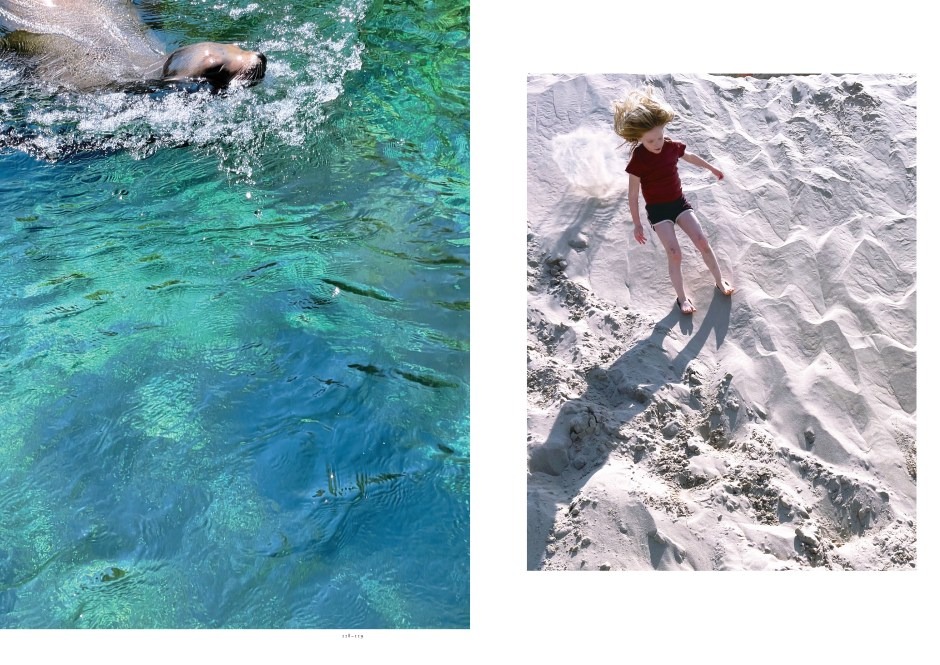
2021年に制作を開始した象の写真シリーズ「Entendue(声が届いて)」は、主にロッテルダムにある動物園で撮影したものです。私は小さい頃、父と一緒にこの動物園を訪れ、そこで象の絵を描いていました。作品集には写真に加え、父が象を描いたドローイング——彼が10代の時のものから、アルツハイマーを患っている時に描いた晩年のものまで——も収録されています。作品は、象という主題を伝えるだけでなく、世代間で創造性がどのように受け継がれていくのかということを表すものでもあります。
この作品集も写真のシリーズも、映画「The Brush in your Hand(絵筆を手にとって)」の良いイントロダクションになっています。いずれもクリエイティビティの継承というテーマが根底にあり、父は画家で、末娘であるIvyは私と一緒にこれらの箱を作っていて、私はこの映画を作ろうとしている……。本作は、そうしたことを1つにまとめる試みなのです。
-First of all, please tell us about this exhibition generally.
In general, it consists of 2 main bodies of work that meet in this exhibition for the first time: a new film, accompanied by part of the set for this film, which is placed in the gallery and a photographic series on Elephants, of which a book was also published last fall. They are both related to the relationship with my father Peter, who was also an artist and a painter.
‘Entendue’ is the title of the series of photographs of elephants, which I started working on in 2021 and that I mostly photographed at the Rotterdam zoo, where I used to come with my father as a child and we would draw them. In the book, the photographs are published together with drawings that my father made when he was a teenager and when he was at the end of his life, when he suffered from Alzheimer’s disease. The work not only conveys the subject of elephants, but also touches upon how creativity passes through generations.
Actually, both this book and the photo series are nice introductions to the film ‘The Brush in your Hand’ because they share the same idea of how creativity can transcend through generations: my father was a painter, my daughter Ivy is making these boxes with me, and I’m trying to make this film. It’s an attempt to bring all these things together.
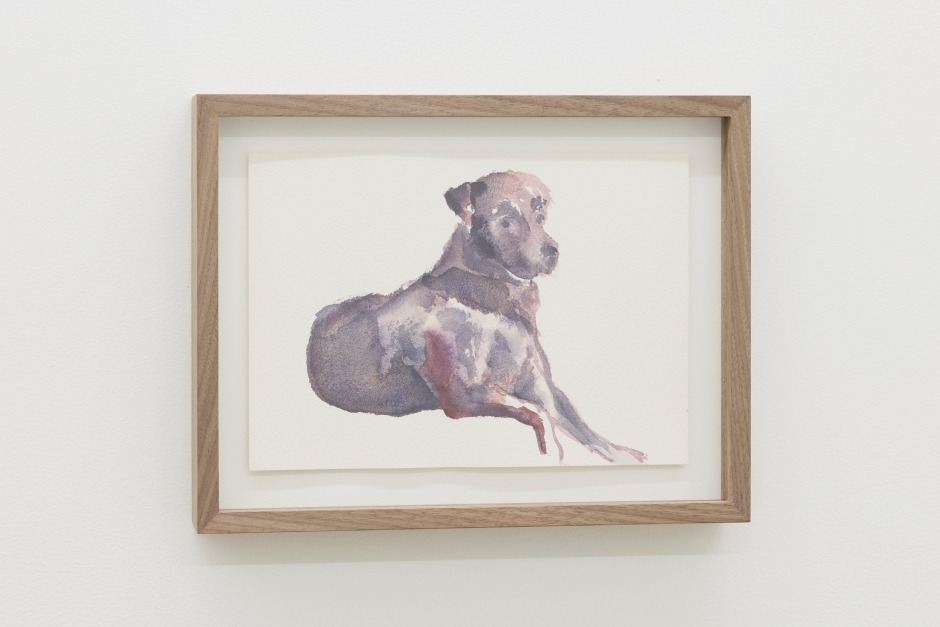
photo by Kenji Takahashi
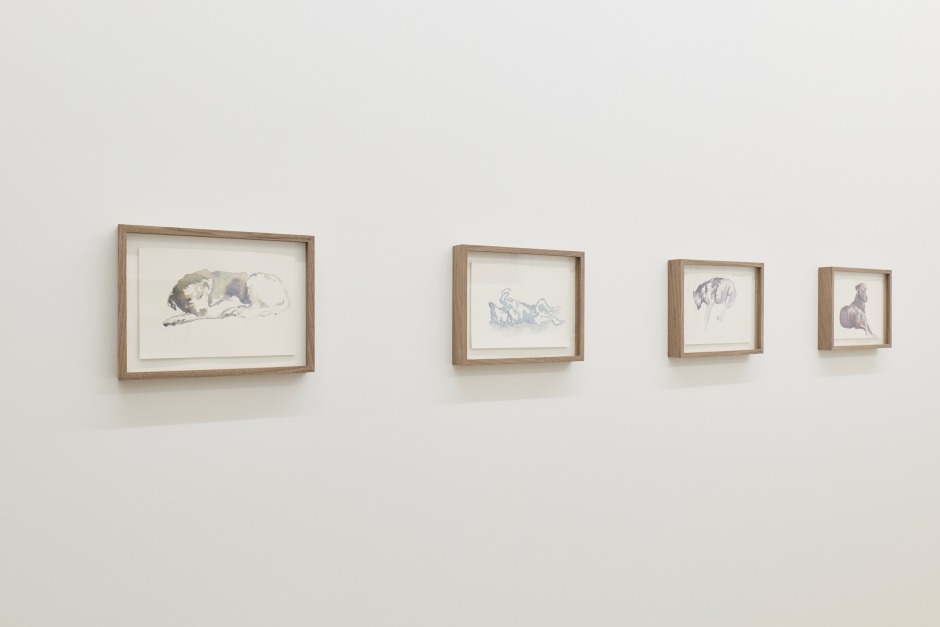
photo by Kenji Takahashi
-2023年3月に発売されたLula Japan Issue 18のインタビューでも、Peterさんとの思い出についてお話ししてくださいましたね。Charlotteさんがアーティストとして活躍されるようになってからは、創作について話すことはありましたか。
クリエイティビティに関することは本当にたくさん話しました。私たち家族の人生の一部を成すものだったので、会話が生まれたのは非常に自然な形でした。進行中の作品のことや、壁にぶつかっていることについて、よく相談もしていました。
晩年の8年間は、だんだん以前のように早く話すことが難しくなり、深い話はできなくなりました。それでも私たちは一緒に絵を描いていたんです——庭に座って、お花や野菜を写生して。ほとんど最期の時までそれが続き、娘たちも加わるようになりました。それは、私たちにとってのコミュニケーションの形だったんです。
—In the interview featured in Lula Japan Issue 18, which was released in March 2023, you also shared some memories of Peter. After you became an artist, have you ever talked with him about creativity or art?
I think we spoke about it quite a lot. It was always a general part of our life, so these conversations came to us in a very organic way. I often told him about what I was struggling with or what I was working on.
Then in the last eight years of his life, I couldn’t talk to him in depth any longer because he lost his ability to speak quickly. But we were still drawing together: we’d sat in the garden and drew flowers and vegetables from observation. Almost until the very end, we would do that and my daughters would join in as well. That was a way of communication between us.
Lula Japan Issue 18
Lula Japan Issue 18
-作品からは、家族の関係性も絶えず流れの中にあることを感じさせられます。そうした「変化」については、どのように捉えていますか?
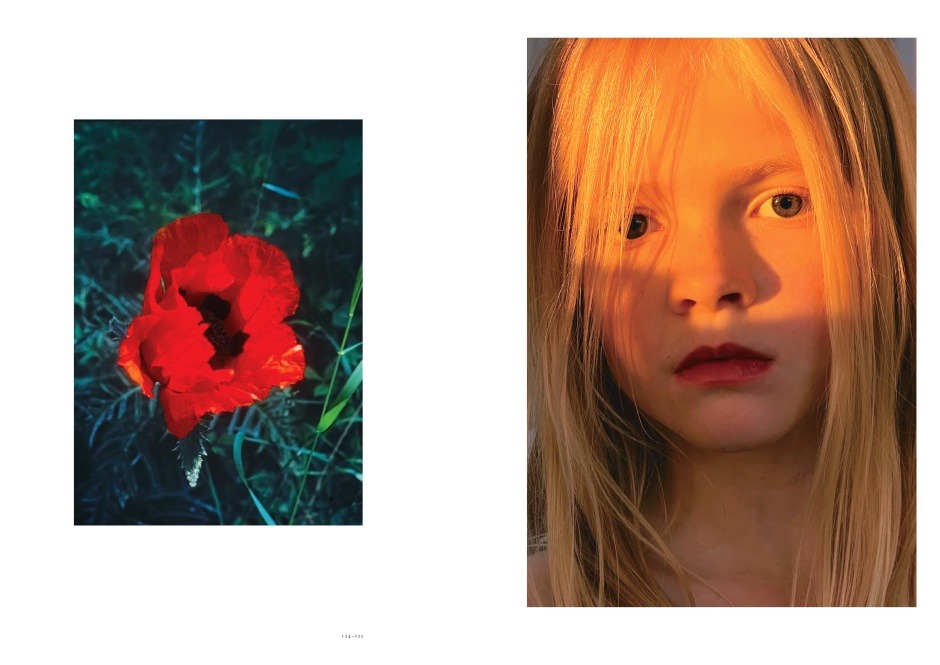
Ivyを撮った「依代」(2020)という短編映画がありますが、当時彼女はまだ5歳でした。今回の「The Brush in your Hand」において、成長した彼女は存在感を増し、箱を作ったりそのデザインを決めたりと、撮られるだけではなく作品制作に積極的に関わっています。父はもうこの世にいませんが、映画の中で強い存在感を放っています。彼の影響は、私の中にもはっきりと感じられます。
そこには家族としてはもちろん、友情という関係性もあると思うんです。人は決して単独の存在でいることはできません——あるものが次へと繋がり、その流れの中で互いに補い合っています。
この映画の編集を担当したDiego Gutierrezともたくさん話しましたが、編集におけるあらゆる視覚的なスケッチや構図——それらは記憶を表しています——は、まるで父を生き返らせようとする行為であると言えます。結果的にそれは不可能なことであり、もどかしさ、あるいは失望感を抱かせるかもしれません。けれど映画の終盤に、父に散歩に行こうと誘うシーンがあります。彼は答え、私を見つめます。つまり映画の中ではこのやり取りが存在し、私と一緒に、彼はまだ歩いてくれる。そうした形で、誰かを近くに留めておくことができる——それこそが、芸術を創造すること、体験する時の力なのです。私たちの生活の中にこれがあることは、本当に尊いことです。
-Your work evokes the sense that family relationships are constantly in flow. How do you view this ‘change’?
I have made a short film with Ivy titled ‘Yorishiro’ (2020), in which she was just five years old. Now that she’s grown in age, in ‘The Brush in your Hand’, she is much more present—she is not just being on camera, but is actively involved in the film, such as by making the boxes, deciding what they look like. My father is also very present in the film, even though he’s no longer there. His influence is also palpable in me.
I believe there is a relation of friendship there, in addition to in terms of family, of course. You’re never just your own person—one flows into the next and you complete each other within that flow.
I talked a lot with Diego Gutierrez, who is the editor of the film, and we felt that all the visual sketches and compositions in the edit—which represent memories—can be seen as an attempt to bring my father alive again. Ultimately, it’s not possible and you can feel the frustration and maybe disappointment. But at the end of the film, there’s a scene where I invite my father to go for a walk. He says yes, and looks at me. In other words, this contact exists within the film, and he will still go on a walk with me. The ability to keep someone close in this way—that is the power of making art and when experiencing it. It’s so very valuable to have this in our lives.
-あなたにとって、写真と映画はそれぞれどのようなメディアですか。
両者を比較するのはとても難しいですが、写真は静止した瞬間へと観る者を引き込み、特定の1枚と向き合う体験を与えます。一方、自分が見ていない隅の方でも色々なことが起こっている映像は、より包括的な経験をもたらすものだと思います。
-What do you see as the difference between photography and film?
It’s very difficult to compare the two, but while photography draws you in stillness and you have a relationship with one particular image, I believe that film—where all sorts of things are happening even in the corners of the frame that you aren’t looking at—offers a more total experience.
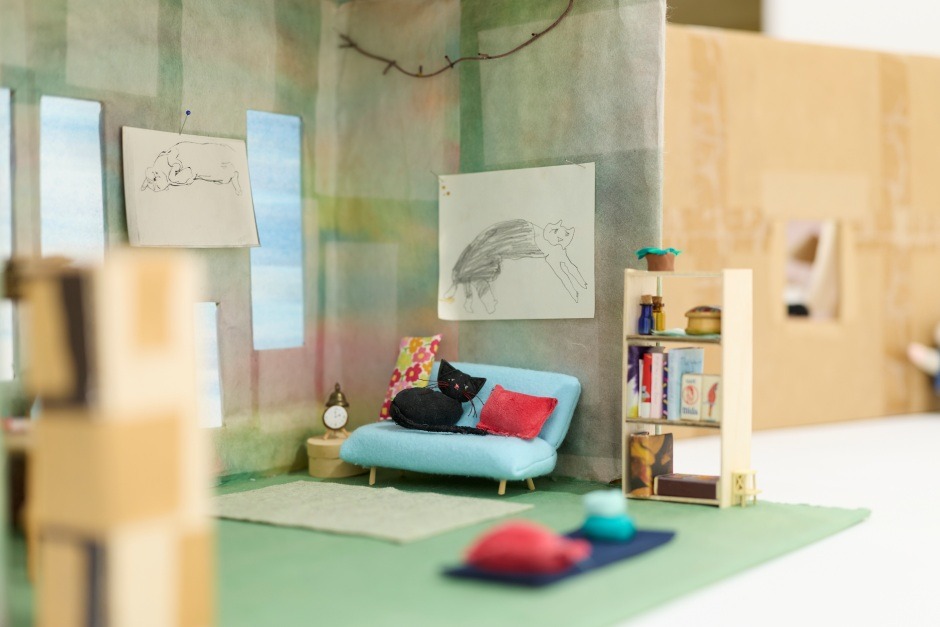
photo by Kenji Takahashi
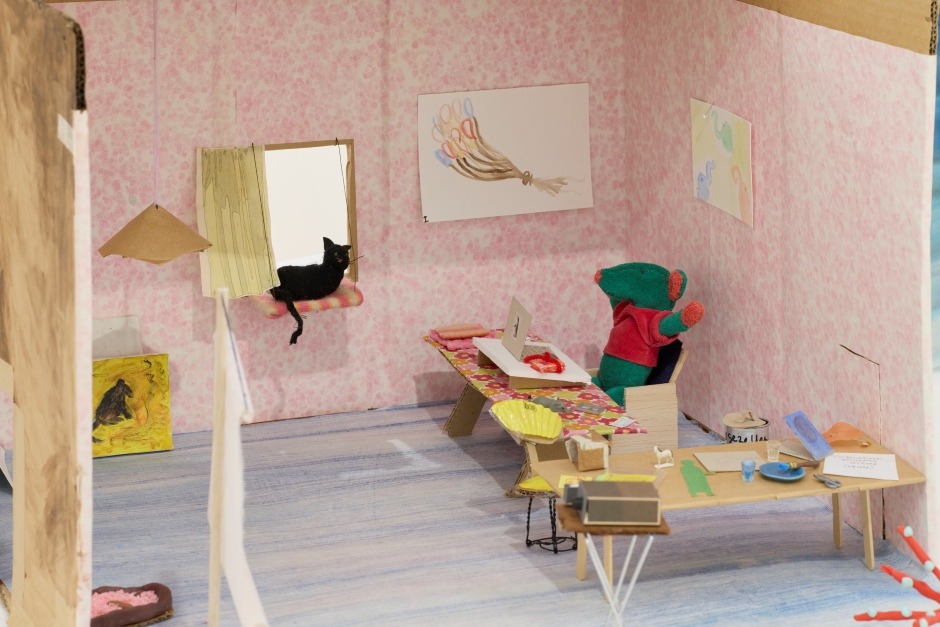
photo by Kenji Takahashi
-あなたの作品では、家族に対する親密な視点と、歴史的文脈を含む動物、ひいては自然という大きなものに向けられた視点の両方が、非常にナチュラルな形で繋がっているように思います。
人間と動物の関係と、家族の絆には、深い共通性があると思います。どちらも他者と関わり合うことができるという私たちの本能的な性質に基づいており、娘と一緒に作った今回の映画は、こうしたことを如実に表しています。子どもと動物は、どちらも直感に頼る部分が大きいという意味で、とても似ていると感じるんです。私たちは大人になるにつれて知性に頼るようになり、時には直感を無視してしまうこともあります。
父の病気が進行して記憶を失い始めた時も、同じようなことを目の当たりにしました。できることが少なくなっていき、ある意味では子どもに戻ってしまった。それは同時に、とても美しいことでもありました。父にとっての生が、とても素朴で、根源的な在り方になったのですから。動物たちがそうするように、いわば「今」に在ること——まさにその瞬間に時間を体験しているような状態だったのです。私たちは未来や過去について考える能力を持っていますが、それは私たちが「今」にいることを妨げてしまうものでもあります。
-In your works, I feel that the intimate perspective on your family and the perspective toward animals—and, by extension, the broader natural world—are connected in a very natural way.
I think there’s a profound similarity between the relationship that we can have with animals and our family ties. Both are based on our intuitive nature of being able to relate to another being, and especially the experience of making this film with my daughter reflects this. I find that children and animals are very close in that they both rely greatly on intuition. As we become adults, we become more dependent on our intellect and will often let this override our intuition.
I saw the same with my father when he became ill and he started losing his memory as well as his capabilities of doing things. In a sense, he also became a child again. And it was also beautiful, because living for him became very rudimentary, a very primal way of being. I mean, it coincides with being in the now, so he was experiencing time in the actual moment as animals do. We have the capability of thinking about the future and the past, which prevents us from being here.
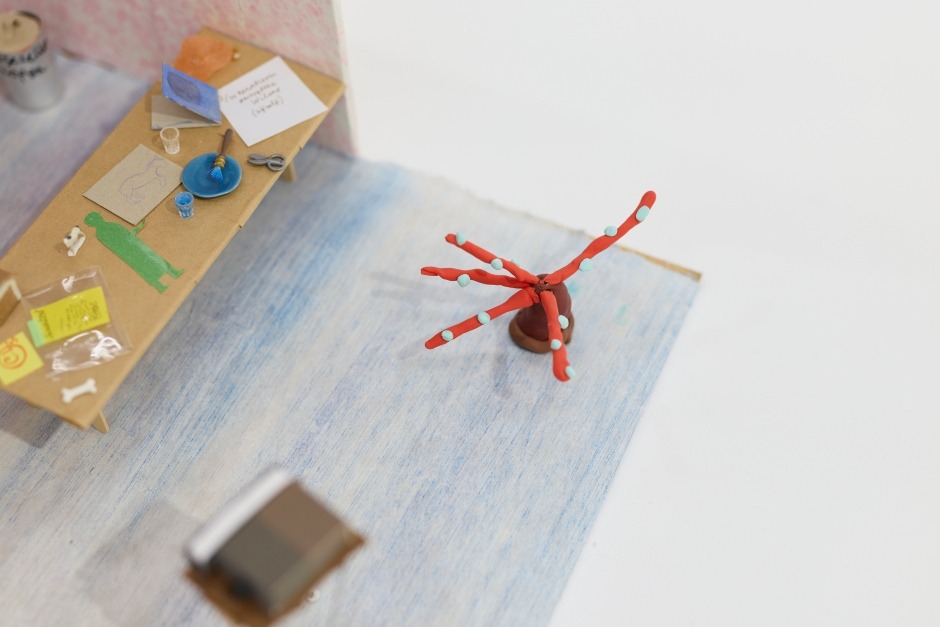
photo by Kenji Takahashi
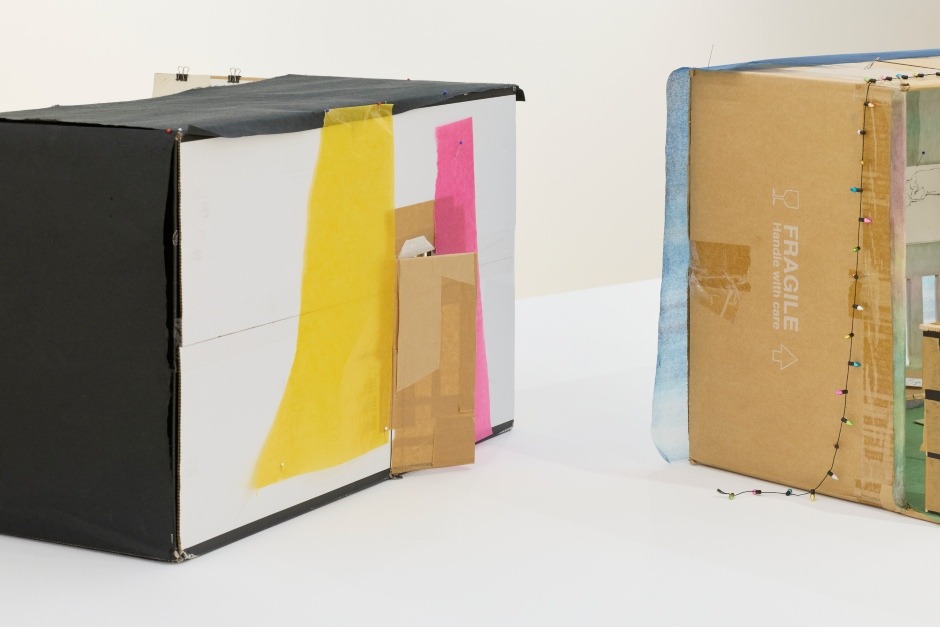
photo by Kenji Takahashi
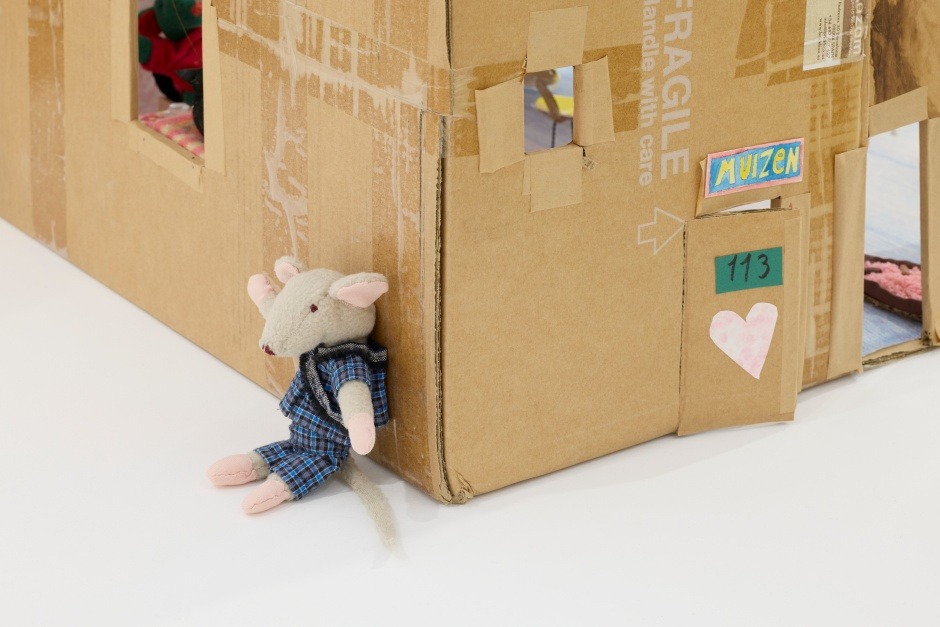
photo by Kenji Takahashi
-今日の世界では分断や対立がどんどん深刻になり、人々の不安は大きくなっています。そのような中において、芸術はどのような役割を果たすことができると考えますか。
あらゆるものが対立して見える今日の世界全体について語る際、芸術はニュアンスを伝える場を提供するという、極めて重要な役割を持ちます。ニュアンスは、自分とは異なる人々や、自分の考えと一致しない人々を理解するための——たとえ理解できなくても——共感の余地を生みます。違った存在であっても、相手の立場で物事を考えることは、人間同士の繋がりにおいて不可欠な要素です。
芸術は時に、不快なものや感情的なものを共感を呼ぶ形で伝え、物事を異なる視点から考えさせたり、見方を変えさせたりします。文学であれ、視覚芸術であれ、演劇であれ、ダンスであれ、こうした性質は創造的な芸術や表現に内在しています。
創作という行為は、本質的には、他者と繋がろうとする試みそのものです。ですから、どんな形であれ芸術がなければ、社会は極めて貧しいものになってしまうでしょう……そしてお金だけがすべてを決定する、資本主義の最も過酷な形だけが残されることになります。芸術は、この状況に対する極めて重要な対抗手段の1つであり、創作する体験も鑑賞する体験も、物事の商品化の外側で存在し得るのです。
-In today’s world, divisions and conflicts are becoming increasingly severe, and anxieties are growing. In such circumstances, what role do you think art can play?
When we speak about the world today and how conflicted everything seems to be, I think art has a very important role in for one thing, offering a place of nuance. With nuance there is room for empathy, to be able to understand—and if not understand—relate to people who are not like you and who may have ideas that you don’t agree with. It’s such an indispensable part of our connection as human beings to be able to place yourself in somebody else’s shoes, even with people who are not like you.
Art sometimes conveys something uncomfortable or emotional in a way they can resonate and makes you think or look at things differently. Whether it’s literature, visual arts, theatre or dance, this is embedded in creative art and expression.
The act of creation is, in essence, an attempt to connect to other people. So, without art in whatever form, societies become very, very bare……and often leaves capitalism in it’s harshest form where only money decides what goes. Art is an extremely important antidote to this for one, that the experience of making as well as experiencing can live outside this commodification of things.
-今興味を持っていることや、今後挑戦したいことがあれば教えてください。
今は象と、博物館のコレクションにある象牙をテーマにした映画の制作に取り組んでいます。このプロジェクトでは、動物園の象の飼育員、博物館の学芸員、そして象牙のDNAを研究している科学者たちへのインタビューを行いました。
このプロジェクトは、「どうすれば象牙を象たちに返すことができるのか?」という仮説的でありながらも根本的な問いから生まれています。現在は多くの博物館や美術館が、違法に入手されたり略奪されたりした所蔵品を元の地域へ返還しています。異なる種との関係に、これをどのように適用できるでしょうか?この問いは、その答えよりも重要なものかもしれません。私はこのテーマに深く関わる人々の多様な視点を集め、探求することに興味を持っています。
-Please tell us about anything you’re currently interested in or would like to try in the future.
I’m working on a film about elephants, ivory in museum collections. For this project, I am conducting interviews with caretakers of elephants, curators at museums, and scientists who are involved in DNA research of ivory objects.
The project springs from a hypothetical yet fundamental question: how could we return ivory, to elephants? Currently, many museums return items that were in their collections and that were illegally obtained or stolen—to their regions of origin.
How would we apply this within an interspecies relationship? This question might be more important than the answer and I’m interested in collecting and exploring the different perspectives of the people close to this subject matter.
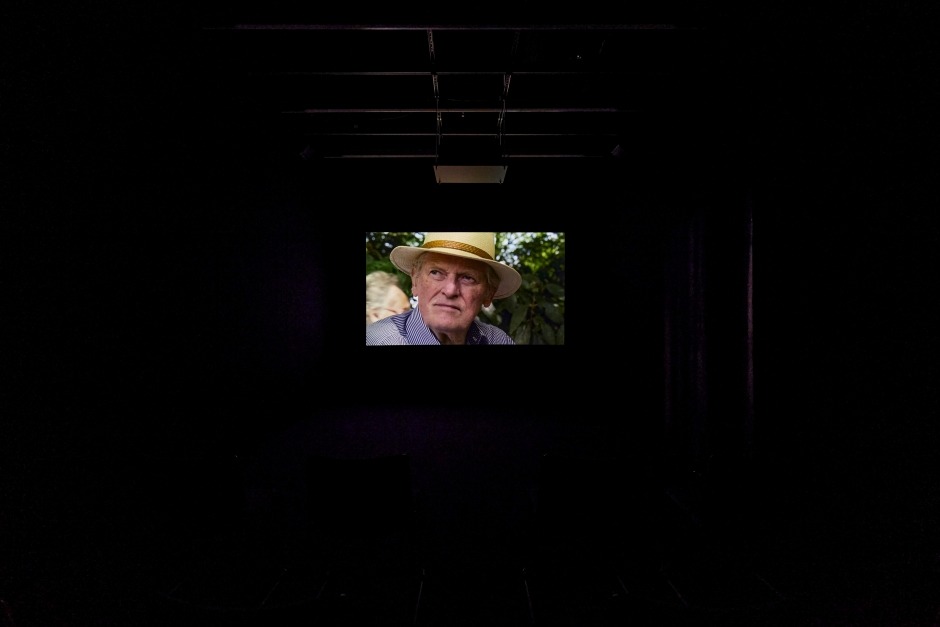
photo by Kenji Takahashi
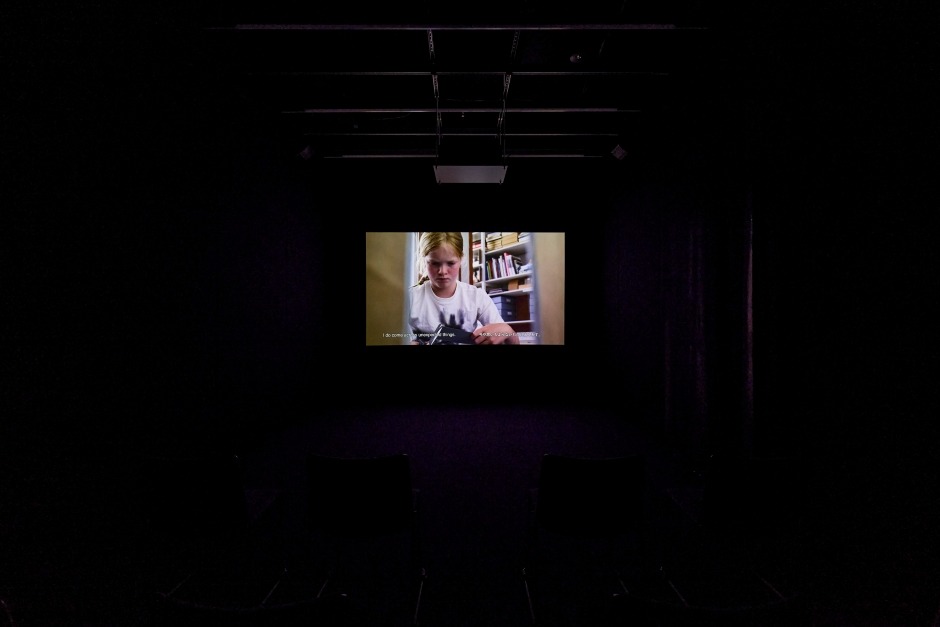
photo by Kenji Takahashi
Charlotte Dumas:
1977 年、オランダ・フラールディンゲン生まれ。2000年にアムステルダムのヘリット・リートフェルト・アカデミーを卒業後、ライクス・アカデミーでヴィジュアルアーツを学び、現在アムステルダムを拠点に制作活動を行う。人間生活のための仕事に従事する馬や犬などを被写体に、現代社会における動物と人間の複雑な共存関係や、生の儚さの美しく親密な瞬間を20 年以上にわたって考察し続けてきた。日本全国に現存する在来馬を撮影するプロジェクトに取り組むなど、日本との関わりも深く、2020年に銀座メゾンエルメス フォーラムで開催された「『べゾアール(結石)』シャルロット・デュマ展」は大きな反響を呼んだ。
www.charlottedumas.nl/
Born in 1977 in Vlaardingen, The Netherlands. After graduating from Rietveld Academy of Art & Design in 2000, she studied at Rijksakademie van beeldende kunsten in Amsterdam. She lives and works in Amsterdam. For more than 20 years, she has turned her attention to animals that maintain a close and intimate relationship with humans, such as horses and rescue dogs. Through her works, she has continued to consider the coexistence of animals and humans in contemporary societies as well as the beauty and intimacy of ephemeral moments within life. She has frequently visited Japan, including for a project to photograph native horse breeds still found throughout the country. In 2020, her solo exhibition ‘Bezoar by Charlotte Dumas’ held at GINZA MAISON HERMÈS Le Forum attracted significant attention.
【Charlotte Dumas “Entendue / The Brush in your Hand”】
DATE:4月11日(土)まで開催中
※日曜、月曜、祝日休廊
TIME:11:00am~7:00pm
PLACE:小山登美夫ギャラリー京橋
ADDRESS:東京都中央区京橋1-7-1 TODA BUILDING 3階
ADMISSION FREE
WEBSITE:www.tomiokoyamagallery.com/exhibitions/dumas2026
最終更新日:
ADVERTISING
PAST ARTICLES
【Lula JAPAN】の過去記事
RANKING TOP 10
アクセスランキング
ダイソンが初のポータブルハンディファンを発売 最大風速25m/秒を実現